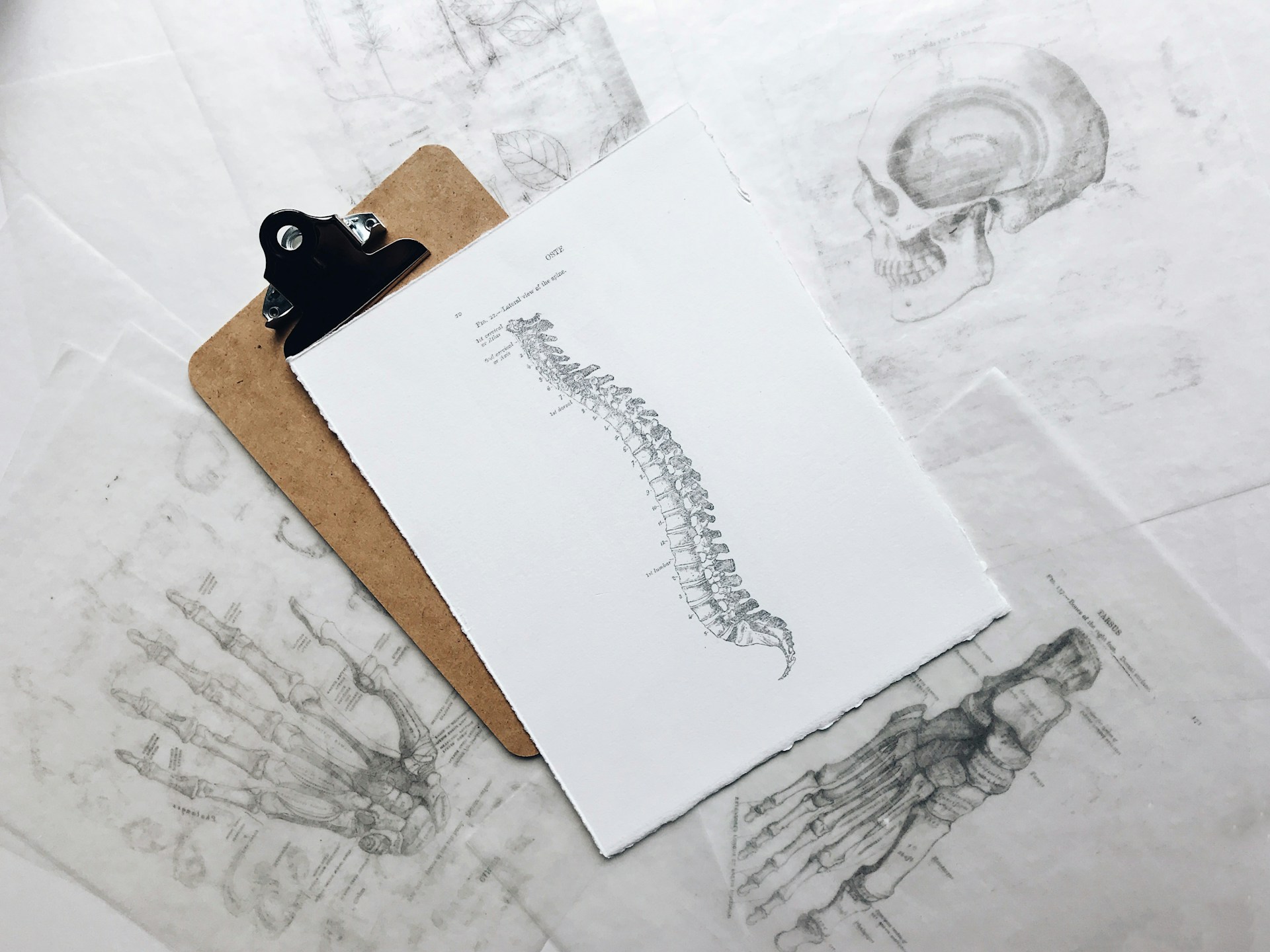
Back pain is common, but the cause can vary from a minor muscle strain to a condition involving the discs, joints, or nerves of the spine. Knowing which symptoms need medical attention can help you decide when it is time to see a specialist.
Neurological symptoms can have many different causes, ranging from temporary conditions to disorders that require specialized care. Recognizing when symptoms should be evaluated can help ensure you receive the right diagnosis and treatment at the right time.
Symptoms That Should Be Evaluated
Changes affecting the brain, spinal cord, nerves or muscles can appear in many ways. Symptoms such as persistent headaches, numbness or tingling, tremors, balance problems, memory changes, vision disturbances or muscle weakness should be discussed with a healthcare provider, especially if they are new, worsening, recurring or interfering with daily activities.
While these symptoms do not always indicate a serious neurological condition, a thorough evaluation can help determine the underlying cause and identify appropriate treatment options.
When to Seek Emergency Care
Some neurological symptoms require immediate medical attention. Sudden weakness or numbness on one side of the body, difficulty speaking, sudden vision changes, loss of coordination, confusion or a severe sudden headache may be signs of a stroke or another neurological emergency.
If these symptoms occur, seek emergency medical care immediately. For conditions such as stroke, timely treatment can significantly affect outcomes.
Why Early Evaluation Matters
Not every neurological symptom is an emergency but persistent or changing symptoms should not be ignored. A neurological evaluation can help identify the cause of symptoms, determine whether further testing is needed and guide the most appropriate treatment plan.
At Neurosciences & Spine Group, our team provides comprehensive neurological evaluations to help patients better understand their symptoms and take the next step toward improving their health and quality of life.