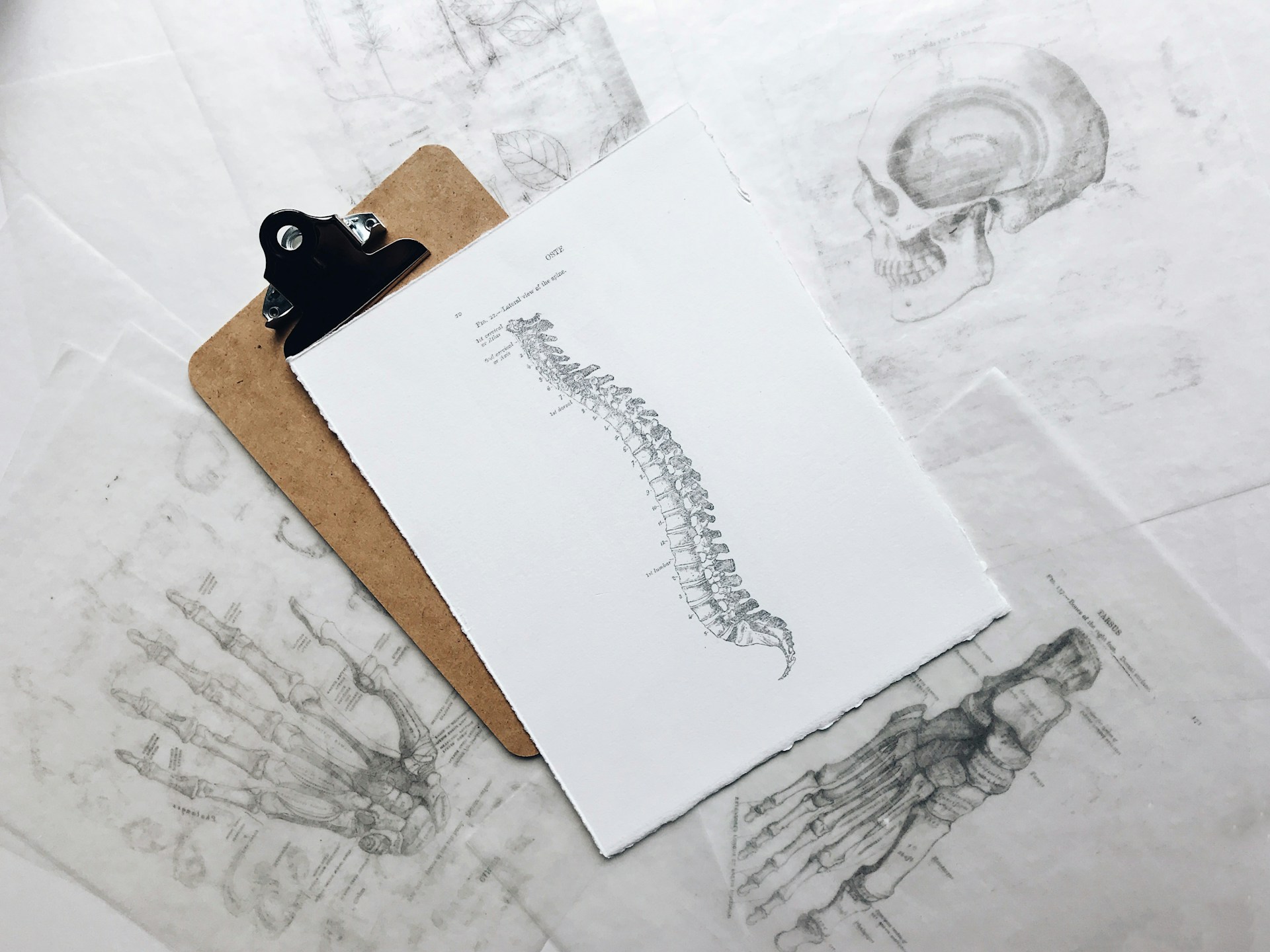
Back pain is common, but the cause can vary from a minor muscle strain to a condition involving the discs, joints, or nerves of the spine. Knowing which symptoms need medical attention can help you decide when it is time to see a specialist.
Minimally invasive spine surgery is designed to reduce disruption to surrounding tissues and may allow many patients to return to daily activities sooner than traditional open procedures. However, recovery still requires patience, proper care and following your surgeon’s specific instructions.
Keep Moving Safely
Walking is one of the most important parts of early recovery. Short, frequent walks can improve circulation, reduce stiffness and help you gradually rebuild strength without placing unnecessary stress on your spine.
While staying active is encouraged, it is important not to push yourself too quickly. Avoid activities such as heavy lifting, repetitive bending, twisting or high-impact exercise until your surgeon confirms they are safe.
Take Care of Your Incision
Proper incision care helps support healing and reduces the risk of complications. Keep the surgical area clean and follow your care team's instructions for bathing and wound care.
Contact your healthcare provider if you notice signs such as increasing redness, swelling, drainage, fever, worsening pain, new weakness, numbness or changes in bladder or bowel control.
Follow Your Recovery Plan
Every patient's recovery is different. Your timeline will depend on the type of procedure performed, your overall health, and how your body heals.
Follow-up appointments allow your surgeon to monitor your progress and address any concerns. If physical therapy is recommended, it can help improve strength, flexibility and mobility as you return to your normal activities.
A successful recovery is not just about healing after surgery, it is about safely regaining function and returning to the activities that matter most to you.