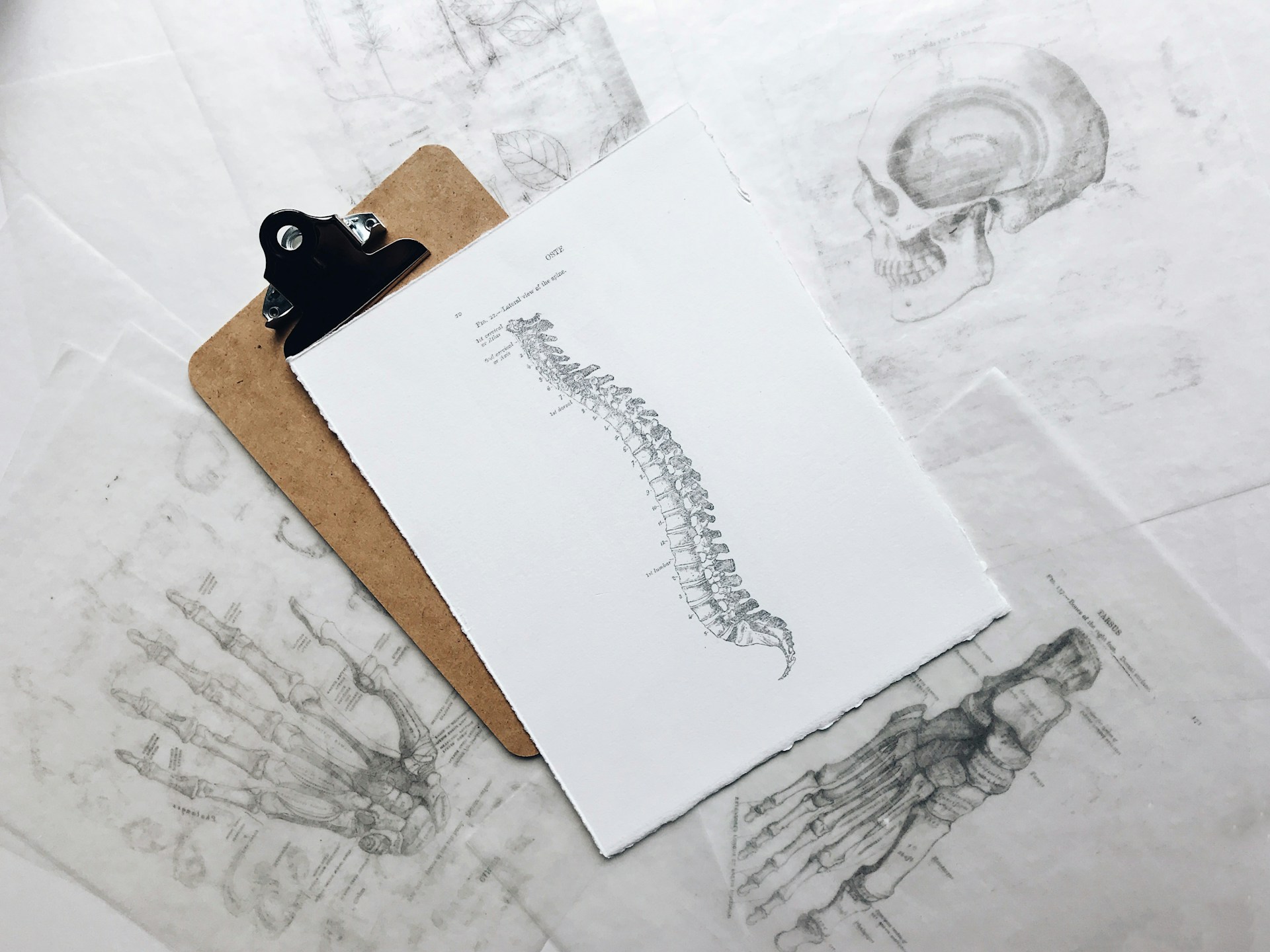
Back pain is common, but the cause can vary from a minor muscle strain to a condition involving the discs, joints, or nerves of the spine. Knowing which symptoms need medical attention can help you decide when it is time to see a specialist.
Spine surgery is often surrounded by misconceptions that can make patients hesitant to seek care. Understanding the facts can help you make informed decisions about your treatment options.
Myth: Back pain always requires surgery.
Fact: Most people with back or neck pain improve with non-surgical treatments such as physical therapy, activity modification, medications or targeted injections. Surgery may be recommended when conservative treatments do not provide adequate relief or when there is a specific medical reason such as significant nerve compression, progressive neurological symptoms, spinal instability or another condition where surgical treatment may provide the best outcome.
Myth: An MRI alone determines whether you need surgery.
Fact: Imaging is an important part of evaluating spine conditions but it is only one piece of the diagnosis. Many people have disc bulges or degenerative changes on an MRI without experiencing symptoms. Spine specialists consider imaging findings along with your symptoms, physical examination, medical history and overall health before recommending treatment.
Myth: Minimally invasive spine surgery is right for everyone.
Fact: Minimally invasive techniques can offer benefits for appropriately selected patients including smaller incisions, less disruption to surrounding tissues and potentially faster recovery. However, these approaches are not suitable for every spinal condition. The recommended surgical approach depends on your diagnosis, spinal anatomy, symptoms and individual treatment goals.
The Goal of Spine Surgery
The goal of spine surgery is not simply to correct an abnormality seen on imaging. It is to address the underlying condition causing symptoms, relieve pain or nerve-related problems, preserve or restore function when needed, and improve quality of life when other treatment options are unlikely to provide sufficient benefit.
Understanding your diagnosis and available treatment options can help you have a more informed conversation with your spine specialist and make decisions that are right for your health.